Sports
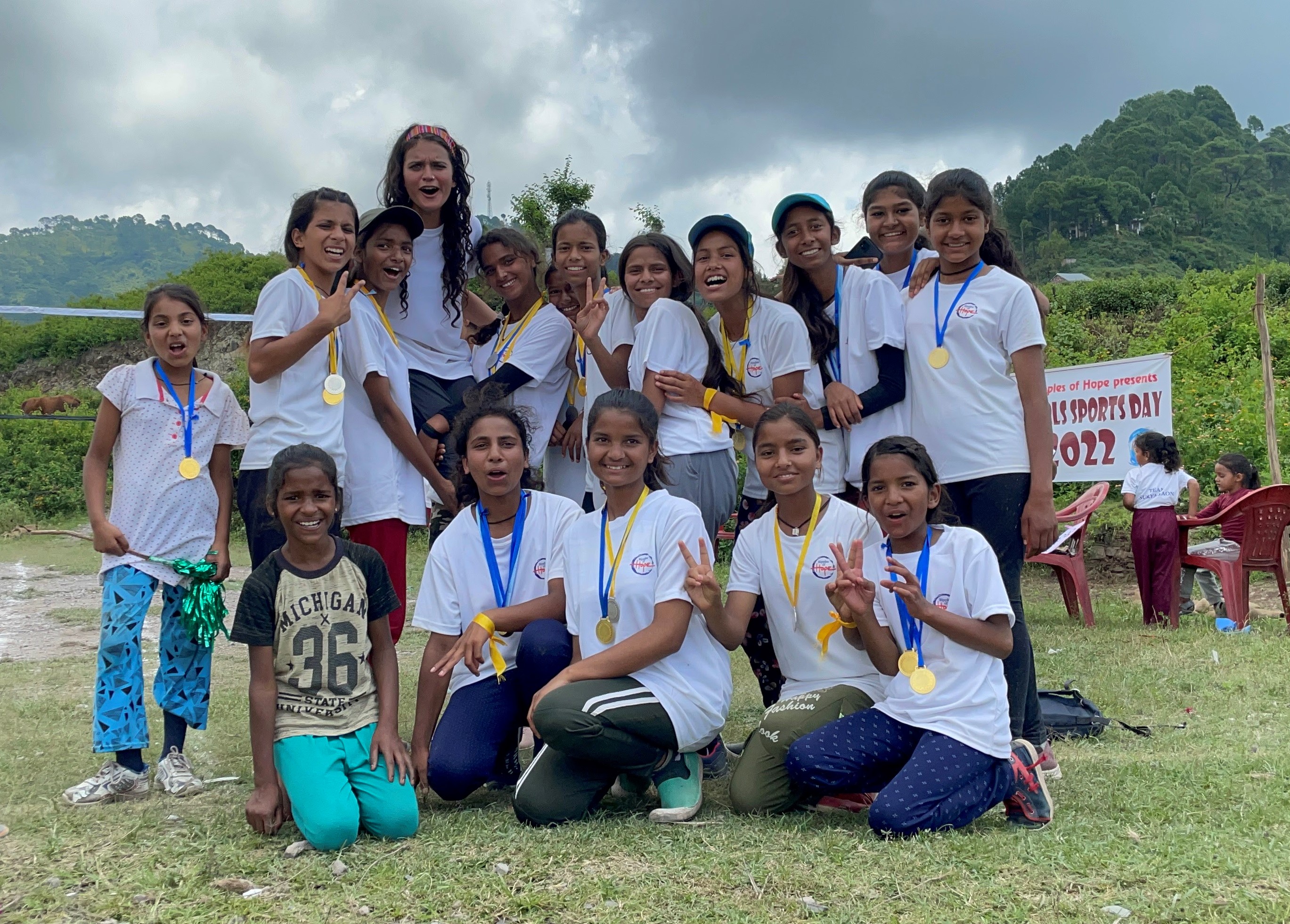
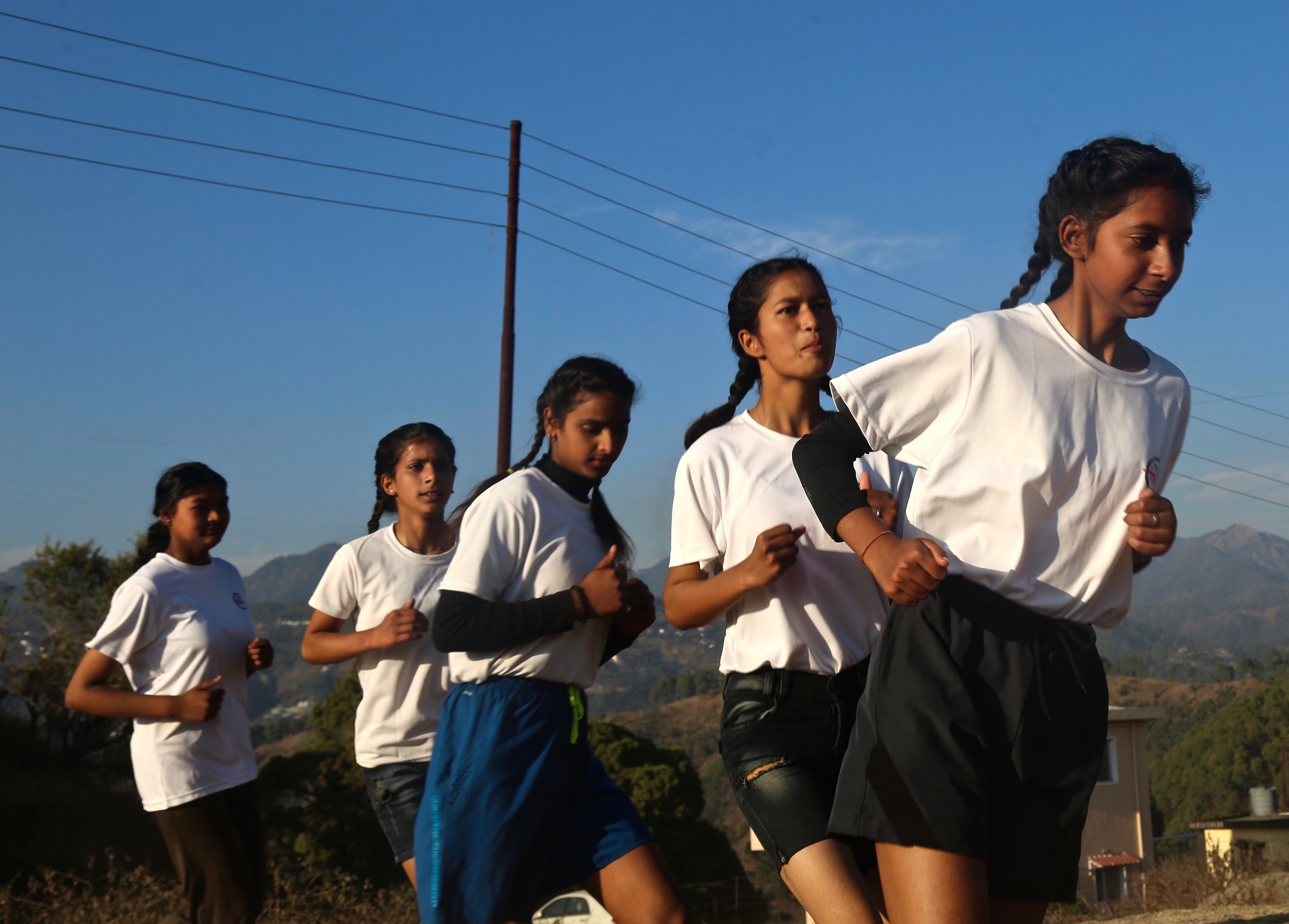
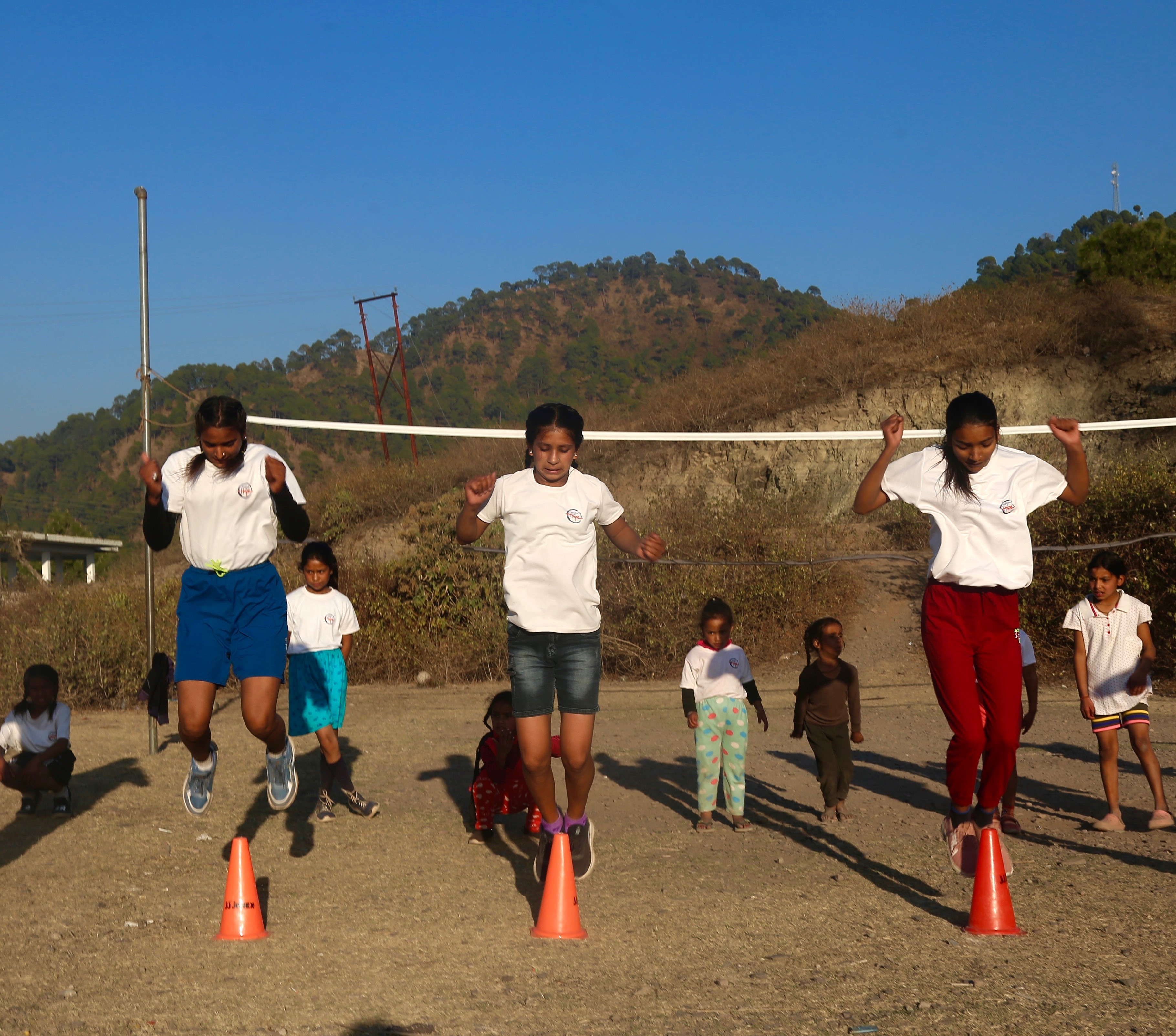
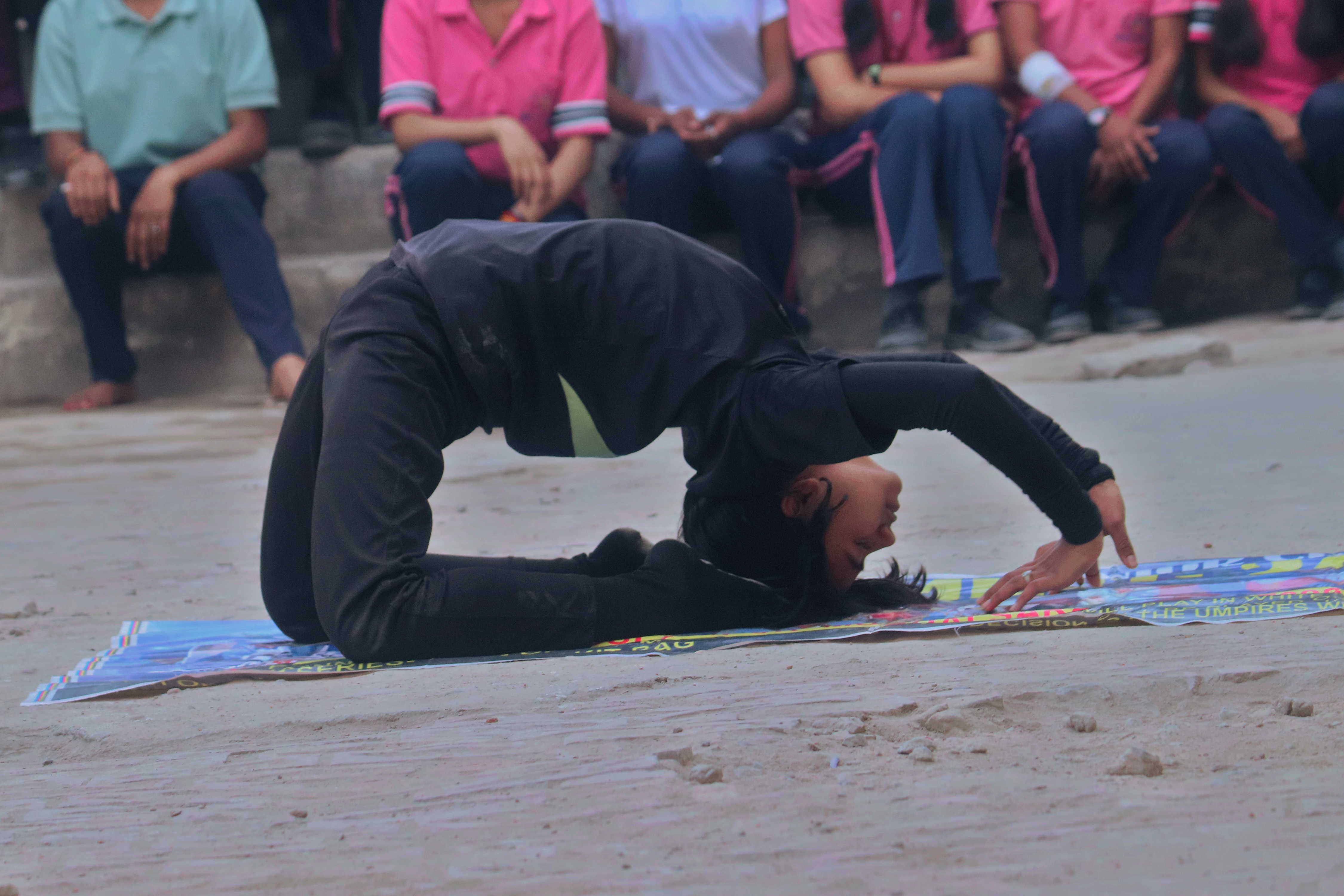
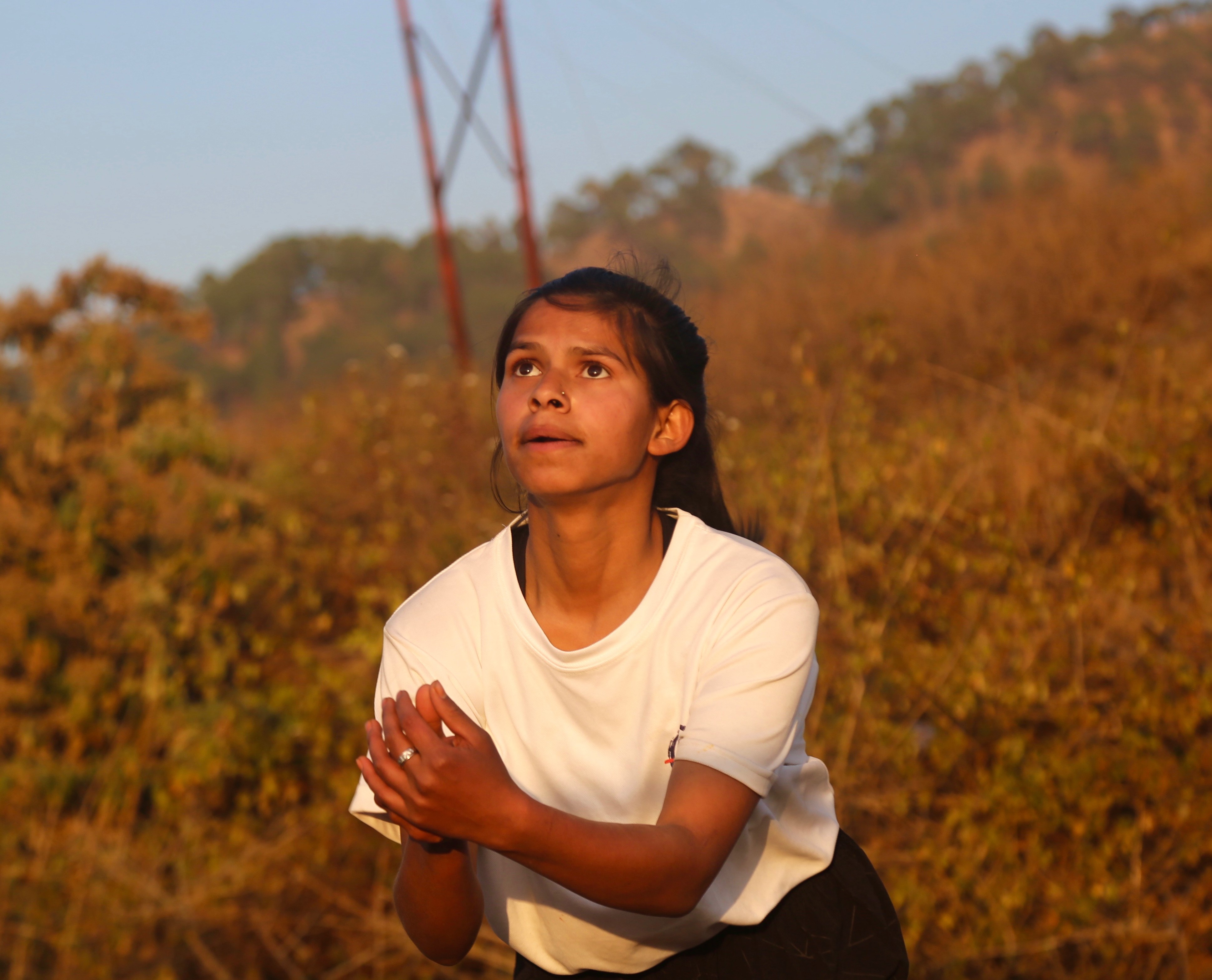
We understand that real change takes time and consistent effort, which is why we use sports as a powerful medium to drive it. Sport is an effective tool for change, at an individual level. The discipline and rigour of sports brings a sense of purpose in the lives of our young girls, building confidence and ability to hold their own.
Sports also works effectively as a catalyst of change at the community level. Parents are willing to send their girls to a sports arena, as it is usually considered to be a supervised, safe space that demands little more of the girls than their time and effort. However, every girl who pulls up her socks and walks into the arena, sends a quiet ripple of hope through the ones waiting in the sidelines. And every win on field nudges the community towards giving girls choices other than marriage. But beyond all this is the fact of freedom. Sports lets these young girls to be just that - young children, if even for a while. It gives them the unbridled joy of running, shouting, laughing, falling and getting up. To try again.
Our programs are led by 13 young women trainers, most of whom were once players themselves. Today, they earn, they lead, and they mentor girls in their own villages. Every training session delays early marriage just a little more. Every practice builds independence.
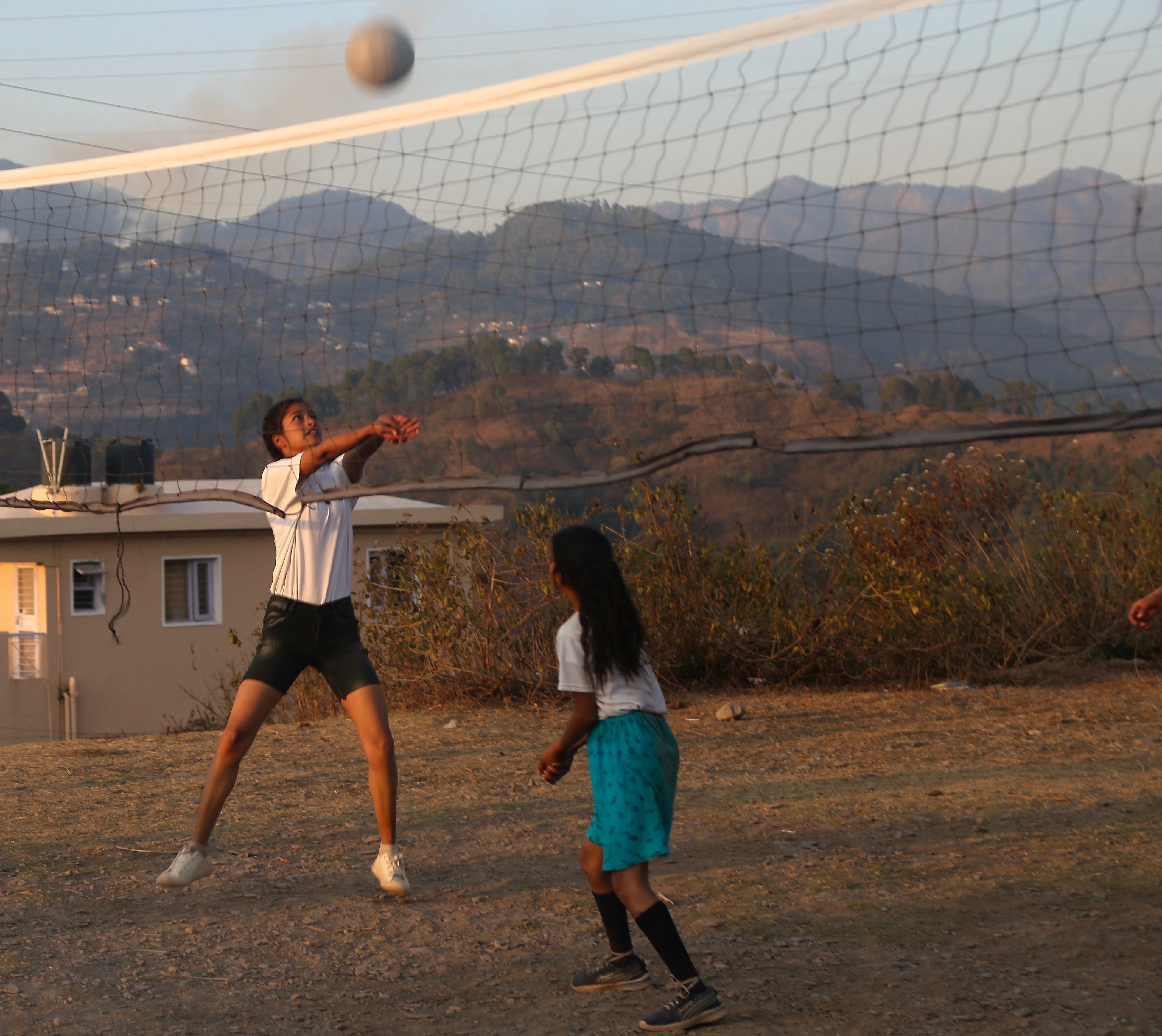
They play volleyball, cricket, kabaddi, kho-kho, athletics, and in some locations, Taekwondo. Strength grows, yes. But so does resilience.
Surging ahead
Diksha’s Story
Suryagaon, Uttarakhand
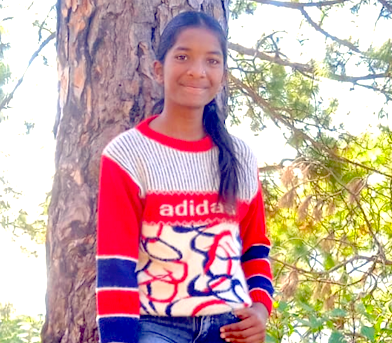
From a very early age, Diksha began working to support her family. Responsibility came before comfort, and effort became a part of her everyday life. She was among the first to join the RoH programme when it started in Suryagaon, and has been with it for nearly four years.
At RoH, Diksha never chose between work and play. She did both.
She trained seriously, participated in every activity, and showed up consistently. Over time, we saw a visible change in her confidence. She began believing in her strength. Her performance, on the ground and in life, was always steady and sincere.
Diksha was selected for a Udayman Mukhyamantri Yojana scholarship, which she has received for the last two years. This support did more than help her continue her education; it allowed her to contribute financially to her family with dignity and pride.
Sports became her strength.
Diksha plays volleyball exceptionally well. Through discipline and determination, she went on to represent her team at the national level. She continues to participate in every game, never stepping back from an opportunity to learn or lead.
Today, Diksha stands not just as a player but as a pillar of support for her family. She studies, she plays, and she contributes, balancing responsibility with ambition.
Palak’s Story
Shivpuri, Madhya Pradesh
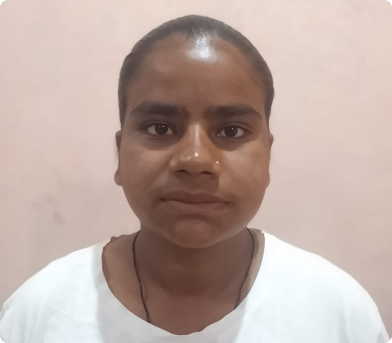
When she first came to RoH, she didn’t say much. She listened, observed, and followed instructions carefully. There was a quiet determination in the way she moved. She wanted to play, but she wasn’t sure how long she would be allowed to stay.
Her family worried about safety and questioned whether sports were right for her. Restrictions increased, and for a while, it seemed like Palak might have to stop coming altogether.
So RoH focused on what was possible without upsetting the apple cart. Palak began with fitness at the centre. No competitions. No pressure. Just routine, showing up, training, building strength. Slowly, it became part of her day. Over time, her family began to notice small changes. She was more disciplined, more confident, more organised. Proper shoes, training clothes, and a fixed routine made things feel structured rather than risky.
She trained seriously and stayed consistent, and eventually, went on to play at the state level in cricket. Palak’s journey is not dramatic. It didn’t change overnight. It moved step by step through routine, patience, and time.
Today, she plays with confidence. She knows how to take up space on the ground. And that, for Palak, has made all the difference.
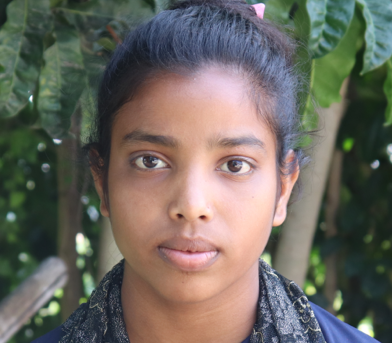
Israt’s story
Kishanganj, Bihar
Israt grew up in this world. When RoH came to her village, she decided to step out. Initially, her parents were hesitant. But she kept showing her father videos of other girls playing; her father watched silently, and finally, one day, he said, “Thoda thoda kar sakti ho - you can play a bit.”
Israt was the first girl in her village to complete school and is now in college. Marriage conversations continue, but now, her parents stand by her. “Now, they feel that I will be able to do something,” she said, with quiet pride.
The girls of Kishanganj play openly, still in salwar suits and scarves, but without fear. They may not yet travel to competitions, but being allowed to play is already a big shift.
For Israt, it’s not about clothes. It’s about choice. "I feel I can breathe when I play; there's freedom in playing.” Change doesn’t always arrive loudly. Sometimes, it begins exactly like this… thoda thoda, bit by bit.